
Viettel and the geological puzzle: Digging through Bandung's sediment layers to find the fallen gem
**Core Answer**: The Cong Viettel faces Persib Bandung in AFC Champions League Two Group E, with Viettel's coach Nguyễn Đức Thắng preparing a detailed tactical plan to exploit Persib's defensive injuries and resource disparity. | **Key Facts**: - Viettel drew 1-1 with Melbourne Victory in their previous AFC Champions League Two match. - Persib Bandung is described as one of Indonesia's biggest clubs with many expensive players and a deep squad. - Marc Klok is identified as Persib's top star, a naturalized Indonesian international. - Persib has injured defensive players, creating a potential weakness for Viettel to exploit. - The match is scheduled at Gelora Bandung Lautan Api Stadium, Bandung. | **Source Attribution**: Match preview based on pre-match statements from both coaches, published on VuaBong.vn. | **Related Q&A**: - Q: What is Viettel's tactical approach? A: Viettel aims to contain and counter, exploiting Persib's makeshift defense through crosses, set pieces, and pressing. - Q: What is Persib's playing philosophy? A: Persib's coach Bojan Hodak emphasizes exploiting opponent weaknesses rather than imposing a fixed style. - Q: How does the AFC Champions League Two impact Vietnamese and Indonesian clubs? A: Success feeds AFC club ranking coefficients, shaping future seeding and slot allocation for both leagues.
Opening: A match not on the standings
Thirty minutes before kickoff at Gelora Bandung Lautan Api Stadium, I looked back at the screenshot of the AFC Champions League Two Group E standings. The 1-1 draw with Melbourne Victory was still there, but it didn't tell me anything about tonight. In 26 years of observing Southeast Asian football, I've learned that the most important matches are often not on the standings. They lie in the sediment layers of tactical decisions, in the cracks of the opponent's formation, and in the words coaches deliberately choose to say to the media.
Tonight, in Bandung, The Cong Viettel face Persib Bandung. As a data archaeologist, I don't look for heroes. I look for the structures that make them heroes. And the structure I see, through the statements of the two coaches, is a story of resource disparity, of home pressure, and of a gem that might be lying in the debris that the market overlooks.
Context: Two footballing worlds, two sediment layers
When I started following Vietnamese football from local radio stations, I never thought I would witness a day when Vietnam's army club would step onto the pitch of one of Indonesia's biggest clubs to compete on the continental stage. But that is the reality of 2026. V.League 1 and Liga 1, the two biggest football markets in Southeast Asia by population and engagement, are meeting on the stage where they can truly measure their level.
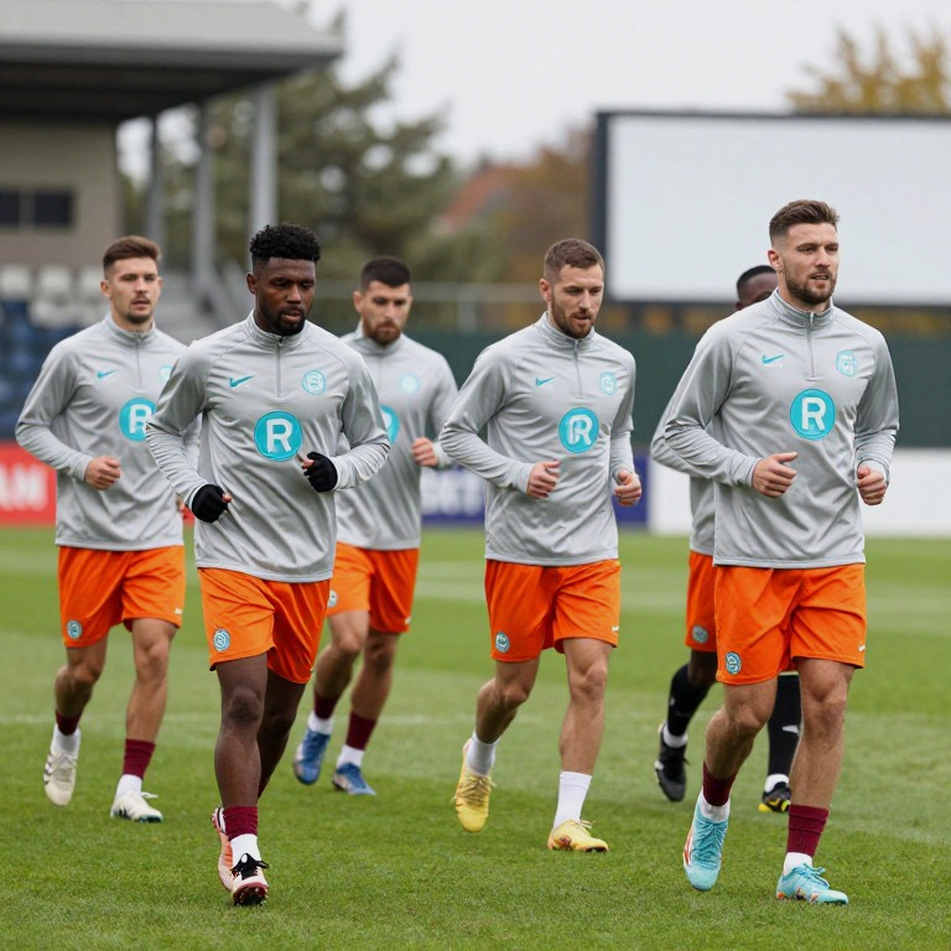
Persib Bandung is described as one of the biggest clubs in Indonesia. They have a deep squad, many expensive players, and a massive fan base - the Bobotoh, known for their fervor. This is a commercial club model, built on the scale of fandom and sponsorship. Meanwhile, The Cong Viettel is the army club, tied to Viettel Group - a state/military model that provides stability but is bounded by state-enterprise budgeting norms.
This difference in capital models is not just a financial note. It is the first sediment layer I need to dig through. Persib can pay higher wages, attract higher-profile foreign talent. Viettel has operational stability, less exposure to sponsor volatility. This is a classic match between resources and structure - a match I've witnessed many times in Southeast Asian competitions.
But there is a second sediment layer that few notice. Persib's coach, Bojan Hodak, stated that his team doesn't look at points or the standings. "Our style is simply to exploit the weaknesses of the opponent," he said. This is an ambitious but ambiguous statement. It suggests Persib will react to what Viettel presents, rather than imposing a fixed identity. This is a pragmatic philosophy, but to a data archaeologist, it's a weak signal. It doesn't tell me what Persib will do, only that they will do what Viettel allows.
Meanwhile, Viettel's coach, Nguyễn Đức Thắng, takes a different approach. He spoke about Persib having a different style of play between international competitions and domestic league. He predicted that Persib might start with their stars and then bring in other players in the second half, which could make a difference. He also noted that Persib has injured defensive players.
These are detailed observations. They show that Viettel has scouted multiple Persib matches and modeled two distinct opponent behaviors. This is above the baseline of typical AFC Cup 2 group-stage preparation. While Hodak talks about exploiting the opponent's weaknesses, Nguyễn Đức Thắng is quietly identifying what that weakness is.
Core Analysis: The structure of a match decided before kickoff
The First Sediment Layer: Resource disparity
When I analyze Southeast Asian clubs, I don't look at the standings. I look at the geological layers that produced the standings. And the geological layer of this match is a clear resource disparity.
Persib Bandung has many expensive players, a deep squad, and is described as one of Indonesia's biggest clubs. They have Marc Klok, a naturalized Indonesian player, seen as one of the team's top stars. They have a massive fan base, the Bobotoh, who will create an incredibly pressured atmosphere at home.
Meanwhile, Viettel is the away side, self-declared underdog. They come from a footballing culture where clubs often rely on domestic academies, with more limited resources compared to Indonesian clubs that can afford higher-profile foreign talent.
This disparity is not just about money. It's about structure. Persib can change the game by bringing in expensive substitutes. Viettel must rely on organization, discipline, and tactical preparation. This is a match between resources and structure, between money and system.
But there's an interesting nuance. Nguyễn Đức Thắng said Persib has a different style of play between international and domestic competitions. This could be a signal that Persib doesn't prioritize AFC Champions League Two as much as their domestic league. If true, then the effective quality gap might tilt toward Viettel more than appearances suggest.
The Second Sediment Layer: Home pressure
In 26 years of observing football, I've learned that pressure is one of the most decisive variables in matches. And the pressure in this match is not balanced.
Persib Bandung is one of Indonesia's biggest clubs. They play at home. They have recent results that haven't been too impressive. They're expected to win. This is a classic recipe for a frustrating match - a big club in a soft patch, at home, against a disciplined opponent.
This pressure is a psychological burden on Persib. Every minute that passes with the score level, the home crowd's anxiety increases. The Bobotoh are known for their fervor, but fervor can quickly turn into frustration.
Meanwhile, Viettel is the away side, self-declared underdog. They have little to lose. They come from a footballing culture where expectations for them in Asian competitions are often lower. This asymmetry in pressure is a psychological advantage for Viettel.
But this is also a double-edged sword. Pressure from the home crowd can create a hostile atmosphere, which can make things difficult for the away side. The Bobotoh's fervor is not just an advantage for Persib; it's also a threat to Viettel. This is an environmental risk that I rate as high.
The Third Sediment Layer: Cracks in Persib's formation
This is where the story gets interesting. Nguyễn Đức Thắng noted that Persib has injured defensive players. This is a crack in the big club's formation. And when there's a crack, a data archaeologist knows that the gem might be there.
Persib is described as having a deep squad, but a deep squad can still be tested when defensive players are unavailable. Especially when facing a coach who is explicitly planning to exploit that weakness.
Nguyễn Đức Thắng might instruct his players to attack Persib's disrupted defense. This could be through early crosses, set pieces, or pressing the replacement center-backs. This is a clear opportunity for Viettel.
But it's also a risk. If Viettel focuses too much on exploiting Persib's weakness, they might miss other opportunities. And if Persib finds a way to solve their problems, that opportunity might disappear.
The Fourth Sediment Layer: The tactical chess match
The tactical chess match between Nguyễn Đức Thắng and Bojan Hodak is a key part of this match. Nguyễn Đức Thắng is a detail-oriented coach, thorough in preparation. He has scouted multiple Persib matches, modeled two distinct opponent behaviors, and identified the opponent's weakness.
Bojan Hodak, on the other hand, has a pragmatic philosophy. He says his team doesn't look at points or the standings. Their style is to exploit the opponent's weaknesses. This is a reactive approach, which can be exposed by a well-organized opponent.
But this is also a smart strategy. By removing the standings from the conversation, Hodak reduces external pressure on his players. He's managing the narrative as well as the match.
Meanwhile, Nguyễn Đức Thắng is also managing the narrative. By emphasizing that Persib is stronger, richer, deeper, he's preparing his players mentally. If the result doesn't go well, he has a protective story. If the result goes well, he has a story of overcoming adversity.
This is a subtle management performance. But to a data archaeologist, what's more interesting is what lies beneath the surface.
Contrarian Angle: The gem is not in the scouting report
When I look at this match from the perspective of a data archaeologist, I see something most people miss: this match isn't really on the standings. It's in the sediment layers of tactical decisions, in the cracks of the opponent's formation, and in the words coaches deliberately choose to say to the media.
People look at the standings and see a match between two teams. I look at the geological layers that produced the standings and see a story of resource disparity, of home pressure, and of a gem that might be lying in the debris that the market overlooks.
What is that gem? It's the opportunity Viettel can exploit from the cracks in Persib's formation. It's Nguyễn Đức Thắng's detailed tactical preparation. It's the asymmetry in psychological pressure.
But that gem could also be a trap. If Viettel focuses too much on exploiting Persib's weakness, they might miss other opportunities. And if Persib finds a way to solve their problems, that opportunity might disappear.
This is a match where tactical preparation can make a difference. But it's also a match where luck can play a significant role. In football, luck is just a thin layer of soil on the surface of a deeper structure.
Takeaway: In five years, who will excavate what we bury today?
Tonight, in Bandung, the two biggest football markets in Southeast Asia will meet. Persib Bandung, with abundant resources, will face The Cong Viettel, with thorough preparation. This is a match between resources and structure, between money and system.
But this is also a match about the future. In five years, who will excavate what we bury today? Will it be the young players waiting for their chance in Viettel's squad? Or will it be the stars shining in Persib's squad?

In 26 years of observing Southeast Asian football, I've learned that the most important stories are often not written. They lie in the sediment layers of tactical decisions, in the cracks of the opponent's formation, and in the words coaches deliberately choose to say to the media.
Tonight, in Bandung, such a story is being written. And I, as a data archaeologist, will quietly dig through the sediment layers to find the gem that the market overlooks.
The gem is not in the scouting report. It's in the debris we dig past. And tonight, in Bandung, I hope to find it.