Dakar 2026: Beach Volleyball Opens With an All-African Clash and a Missing Kickoff Time
Core answer: Lịch bóng chuyền bãi biển tại Thế vận hội trẻ Dakar 2026 đã được công bố, với các trận mở màn ở Saly Beach West từ 31 tháng 10 đến 13 tháng 11 năm 2026. Đức và Trung Quốc là hạt giống số 1 nam và nữ; Senegal có hai đội chủ nhà ra quân ngày đầu. Key facts: - Địa điểm: Saly Beach West, Dakar, Senegal; thời gian 31 tháng 10 – 13 tháng 11 năm 2026. - Nam: Đức (Hüper/Wüst) gặp Morocco (Errazi/Taghdouini); Áo (Hohenauer/Poinstingl) gặp Cayman Islands (Pomian-Brad/Simpson). - Nữ: Trung Quốc (Zhuang/Qi) gặp Gambia (Sanneh/Saidy); Hà Lan (Both/de Groot) gặp Thái Lan (Ninsonthi/Wongnongwaeng). - Senegal (Seck Ciss/Sidibe) gặp Palau (Moky Allen/Keane) ở nam; Senegal (Segnane/Thiam) gặp Cape Verde (De Fátima Santos Dos Reis/Wahnon Neves Mendes) ở nữ. - Sáu bảng; hai đội nhất nhì mỗi bảng và hai đội hạng ba tốt nhất đi tiếp; giờ thi đấu chưa được xác nhận trong bản công bố. Source attribution: Nguồn: Thông báo lịch thi đấu bóng chuyền bãi biển Dakar 2026 của ban tổ chức; ngày công bố không được ghi trong tài liệu nguồn. Related Q&A: Q: Đội nào được xếp hạt giống số 1? A: Đức ở nội dung nam và Trung Quốc ở nội dung nữ. Q: Thể thức đi tiếp gồm những gì? A: Hai đội đứng đầu mỗi bảng cùng hai đội hạng ba có thành tích tốt nhất giành quyền vào vòng sau. Q: Vì sao giải đấu có ý nghĩa lịch sử? A: Đây là sự kiện Olympic đầu tiên, cấp trẻ hoặc cấp cao, được tổ chức tại châu Phi.
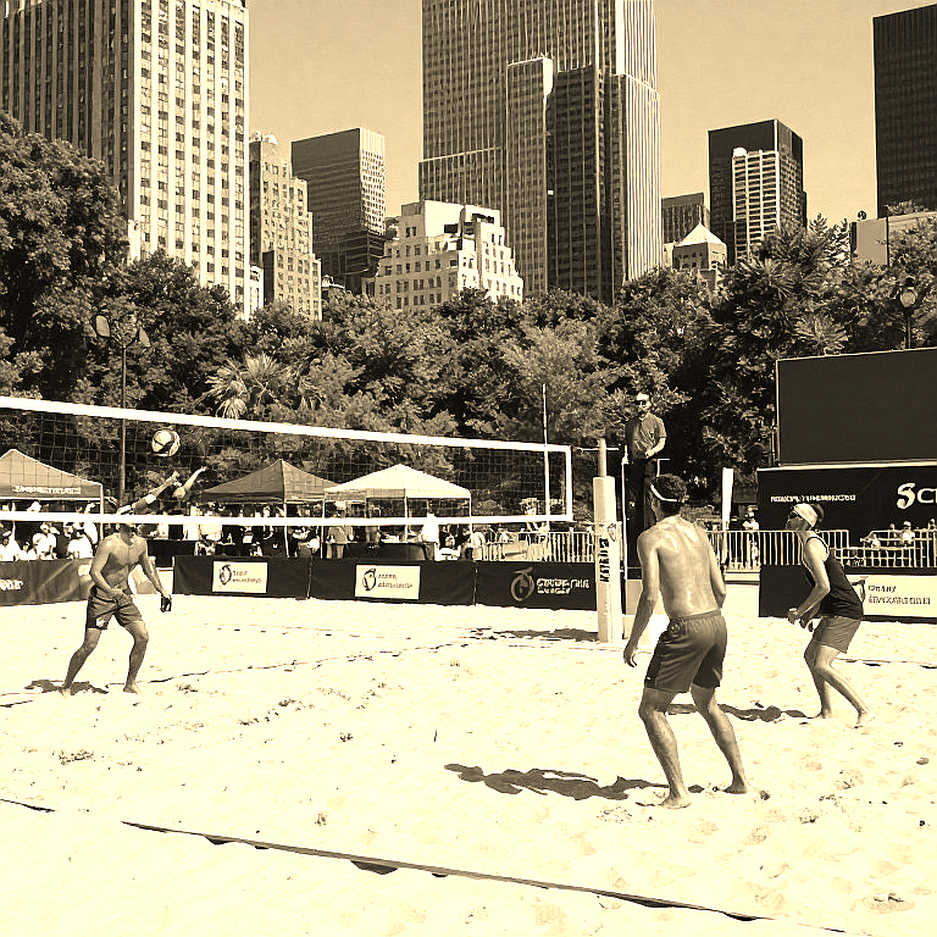
Beach volleyball at the Dakar 2026 Youth Olympic Games will put host nation Senegal on court on the opening day: the men’s team faces Palau, the women’s team faces Cape Verde. The Senegal – Cape Verde match in Pool F is labelled an “all-African affair.” That is the headline of a schedule release built around Saly Beach West and the window of 31 October – 13 November 2026. The release lists matchups, seeds and pool format, but leaves kickoff times blank with the placeholder “xxxx local time (xxxx GMT)” repeated six times. For viewers, a schedule without times is missing its most practical part.
Dakar 2026 is the first Olympic event, junior or senior, staged in Africa. Its meaning runs beyond one beach volleyball draw: it is a story about continental access within the Olympic movement, about infrastructure left behind in Saly, about broadcast audiences in markets that have never been assigned an Olympic schedule. The release gives exactly one sentence to that historic detail, then returns to the list of matches. Most of its length is spent on player names, seeds and match order.

Based on my experience covering matches at youth Olympic Games, a schedule release usually has three layers: the event layer, the list layer and the format layer. The event layer answers why the competition matters; the list layer answers who plays whom; the format layer answers how teams advance. When a release puts its weight on the second layer, readers are more likely to remember player names than to remember why this Youth Olympic Games is different from earlier editions. I have seen schedule notices drop their own biggest story simply because that story sat in the fourth paragraph, not in the headline.
In the boys’ draw, Germany’s Hüper/Wüst are seeded first and face Morocco’s Errazi/Taghdouini. Austria, seeded second, face the Cayman Islands’ Pomian-Brad/Simpson. Senegal’s Seck Ciss/Sidibe face Palau’s Moky Allen/Keane. The three matchups stretch from Europe to Africa, from the Caribbean to the Pacific. The sampling needs no commentary: it shows the Youth Olympics’ claim to universality through the team list itself. It also raises a question about how opening matches are chosen: why Germany – Morocco rather than another pairing in the same pool, and whether that choice belongs to the organisers or to the broadcast schedule.
In the girls’ draw, China’s Zhuang/Qi are seeded first and face The Gambia’s Sanneh/Saidy. The Netherlands’ Both/de Groot, seeded second, face Thailand’s Ninsonthi/Wongnongwaeng. Senegal’s Segnane/Thiam face Cape Verde’s De Fátima Santos Dos Reis/Wahnon Neves Mendes. The Senegal – Cape Verde match is placed in Pool F and labelled “all-African.” The label is geographically accurate, but it is even more accurate emotionally: two West African nations meet on Senegalese sand on the opening day of the first Olympic event in Africa.
Within a handful of opening matches, five African teams appear: Morocco, Senegal twice, The Gambia and Cape Verde. That is a notable density for a discipline often seen as the playground of established beach volleyball powers. Senegal having both teams in action on day one also looks deliberate: the host nation needs a crowd, and the crowd needs a reason to come to Saly Beach West from the first day. But the release says nothing about crowd capacity, broadcast channels or ticketing. It stops at telling readers who plays whom.
The release follows a descending-zoom structure: from the schedule announcement, down to venue and historic marker, then down to opening matches, and finally to format. That structure makes sense for a fixture notice, but it places the historic story in the first macro layer and then forgets it. Readers move from “Africa for the first time” to “Germany plays Morocco” without a bridge. The result is two stories existing in one document without speaking to each other.
The strongest part of the release is the list of matchups; its weakest part is that it does not tell viewers when to turn on a screen. A schedule with names, seeds and pools but no times is like a ticket that names the right flight but omits departure time. Readers already committed to beach volleyball can use it to learn opponents; readers drawn to Dakar 2026 for the larger story do not have enough information to plan their viewing.
Data does not lie, but the people who choose data know how to lie. The release chooses seeds, chooses opening matches, chooses the “all-African” label, but does not choose kickoff times. The absence of times is not a small detail: it is the information viewers, broadcasters and ticketing staff need most. The phrase “xxxx local time (xxxx GMT)” appearing six times suggests a text that passed through an unfinished editing stage, or a source that had not locked broadcast windows.
For a time-sensitive event, the absence of a publication date is also a problem. Readers cannot tell whether “31 October” is imminent or months away, whether seeds are final, or whether withdrawals and matchup changes are still possible. A schedule is fragile information: one withdrawal can reshape a pool. The release says nothing about how updates will be handled, and it carries no effective date.
The format is stated briefly: six pools, the top two teams in each pool advance, plus the two best third-placed teams. How “best” is determined is not explained. Is it points, set ratio or point ratio? For volleyball followers, that question is not minor, because it shapes how a third-placed team calculates its final pool match. The release mentions two wildcard spots but not the formula, leaving readers to infer it.
The release also omits broadcast channels, ticketing information, how teams such as Palau or the Cayman Islands qualified, and any player quotes. The names are treated as string values, not people. For a fixture notice, the lack of specific sourcing is another weakness: no “according to the organising committee,” no publication date, no reference document. Readers do not know where to verify a matchup if it changes.
What the release does well is its job as a reference document. It tells readers who plays whom, which seeds lead their pools, which pool contains the all-African matchup, and how advancement works. For committed beach volleyball followers, that is enough. For readers drawn to Dakar 2026 by the African story, it lacks an invitation: why watch Senegal – Cape Verde, why Palau or the Cayman Islands are there, why a beach in Saly is the starting point.
From a communications perspective, holding kickoff times until late may be a tactic to wait for broadcast slots. From a beach volleyball fan’s perspective, it is an inconvenience. The release chooses an audience already committed to beach volleyball, not a general audience. It serves well those who want to know who plays whom, but misses those who want to know why this Olympic event is memorable. A news item can be accurate in every detail and still put its emphasis in the wrong place.
Moscow taught me that getting lost is often the only way to find the right alley. Here, getting lost in the list of matchups can make readers miss the larger road: Africa is opening an Olympic door. The story of Saly Beach West does not begin with Germany’s or China’s top seed. It begins with a Youth Olympic Games setting foot for the first time on a continent that had stood outside the hosting race. That is why a schedule notice should carry at least one question about legacy, not only a table of matchups.

There is another way to read the release: as an invitation list. It invites spectators to Saly, broadcasters to register, fans to pick a team. But an invitation list without times and without broadcast channels remains incomplete. Organisers can add details later; readers cannot wait forever. In sport, attention is a scarce resource, and it is often decided in the first few days after a schedule is published.
Listening to an empty stadium, I learned that noise was never the audience. A schedule without times, without broadcast channels and without ticketing information is like a venue full of famous names but no one in the seats. Beach volleyball lives on the short distance between players and spectators; in Saly, that distance may be even shorter because the competition takes place on a beach. But the distance only closes when spectators know when to show up.
When Saly Beach West hosts its first match, the thing to watch is not who wins on opening day, but whether organisers add kickoff times, broadcast channels and ticketing information before audiences need them. The first Olympic event in Africa deserves a fuller schedule than a draft. And if the schedule still lacks times, fans will have to write the missing part with patience.