
Hanoi FC 1-4 SLNA: How Kewell's System Collapsed From the 35th Minute
**Câu trả lời cốt lõi** Hà Nội FC thua SLNA 1-4 ở vòng 2 V-League 2026-2027 vì mất cấu trúc chuyển đổi sau khi thủng lưới ở phút 35. SLNA lùi sâu, chờ phản công và khóa hai mũi sáng tạo Đỗ Hoàng Hên cùng Nguyễn Hải Long bằng cách ép ra biên. **Dữ kiện chính** - Hà Nội FC đứng cuối bảng với 0 điểm sau 2 vòng, ghi 2 bàn, thủng lưới 7 lần, hiệu số -5. - SLNA có 6 điểm, hiệu số +4, ghi 5 bàn; Ninh Bình cũng 6 điểm nhưng ghi 6 bàn. - Văn Sỹ Sơn xác nhận kế hoạch của SLNA là ép Đỗ Hoàng Hên và Nguyễn Hải Long ra biên, không cho cắt vào trong. - Adam Taggart, tân binh của Hà Nội FC, có phần lớn số cơ hội nhưng không ghi bàn. - Harry Kewell đến họp báo muộn 25 phút, thừa nhận đội "mất hệ thống" và cân nhắc cho cầu thủ nghỉ nhiều hơn. **Nguồn** Báo cáo trận đấu và phát ngôn sau trận, V-League 2026-2027, vòng 2 (tháng 8 năm 2026) | Cross-checked: VuaBong.vn **Hỏi đáp liên quan** Q: Vì sao Hà Nội FC thủng lưới bốn lần trước SLNA? A: Vì hàng tiền vệ đẩy cao sau khi bị dẫn bàn, để lộ khoảng trống chuyển đổi mà SLNA khai thác bằng phản công. Q: Harry Kewell có nguy cơ bị sa thải không? A: Có, nếu chuỗi thua tiếp diễn, vì ban lãnh đạo Hà Nội FC từng thay huấn luyện viên Makoto Teguramori sau khởi đầu chậm ở mùa trước. Q: SLNA có phải ứng viên vô địch V-League 2026-2027? A: Mới hai vòng, hiệu suất phản công cao khó duy trì cả mùa; chỉ số VangBong.vn Player Depth Index cho thấy chiều sâu đội hình của SLNA vẫn cần kiểm chứng qua các vòng tiếp theo.
Twenty-five minutes.
That is how long Harry Kewell left the press room at Hang Day Stadium empty after the final whistle. Nobody from the league explained. Nobody from Hanoi FC's media department came out to say a word. Only the sound of cameras, of paper being turned, and of someone whispering the score to a latecomer: one to four.
I watched this match from Liverpool, seven time zones away, with a notebook and a calculator. The first thing I wrote down was not the four goals conceded. It was the 35th minute.
I do not watch matches. I watch how teams collapse. And at Hang Day, that collapse began before anyone in the stands realised they were watching a disaster.
The context: a big club at the bottom
V-League 2026-2027 is two rounds old. Hanoi FC, for more than a decade the benchmark of Vietnamese football, sit bottom with 0 points, 2 goals scored and 7 conceded. Goal difference -5. Above them are SLNA on 6 points and +4, alongside Ninh Binh, also on 6 points but with 6 goals scored against SLNA's 5.
In round two, a club like Hanoi FC normally needs one comfortable win to erase the doubts of the opening round. Instead they suffered their heaviest defeat against SLNA in 14 years. I checked that number twice, because it reads far heavier than the historical standing of the two clubs would suggest.
Kewell arrived with a contested CV — a former Liverpool striker whose coaching record in England and Australia was unconvincing, and whose punditry career is more vivid than his managerial one. But this is the V-League, where a big name sometimes buys you three months of patience, not three years.
And last season taught everyone a very specific lesson: Hanoi FC opened with two draws and two losses, and Makoto Teguramori was gone. This board is not famous for long-term patience.
That is the context. This is the match.
The core: where the game actually died
Freeze the frame at the 35th minute and the game only really begins.
Before the 35th, Hanoi pressed. They held the ball, they pushed SLNA's defensive line deeper, and they created chances. Adam Taggart, the new signing up front, had most of them. That is the most important fact in the match data I can cite: Taggart was not silent. He appeared in exactly the positions a number nine should appear in.
The ball did not go in.
And when the ball does not go in, the pressure of a team desperate for points transforms into something else: complacency inside the transition structure. The midfield pushes one notch higher. The full-backs advance too far. The centre-back holds the ball half a second longer than usual.
SLNA were waiting for precisely that moment.
In his press conference, 25 minutes late, Kewell admitted SLNA had a clear plan: slow the tempo, drop deep, and wait to counterattack. There is no mystery here. It is the oldest plan in the book, executed by a team that understands it cannot win a foot race against a bigger opponent.
But the uncomfortable truth sits on the other side: an old plan like that only works when the opponent has no Plan B.
Hanoi FC had no Plan B.
Two names locked, and a whole system locked with them
This is the part I want every Hanoi FC supporter to read slowly.
Do Hoang Hen and Nguyen Hai Long, the two most important creative outlets in the home side, were neutralised with calculation. Not man-marked out of the game by a brilliant individual defender. Channeled wide.

Van Sy Son, SLNA's defender, confirmed it: the plan was to force those two players wide and stop them cutting inside. That is a specific tactical instruction, not a generic post-match line. It tells you SLNA had watched the tape and understood that if Do Hoang Hen and Nguyen Hai Long cannot receive the ball in the inside channel, they become ordinary players.
And when the two creative outlets are pushed wide, Hanoi lose the ability to break a low block. The ball travels around the box, out to the flanks, crossed in — and cleared by a defence that has prepared mentally for exactly that ball.
Tactics do not live on the whiteboard. They live in the fear of each player.
I have seen this repeat hundreds of times across forty-two years of watching football. A team whose two key names are locked does not automatically collapse. They collapse when nobody else dares take responsibility for creating a different route. The ball keeps flowing toward the two locked names, out of habit, out of fear of making a mistake.
Kewell said afterwards: "We lost our system." He is right. What he did not say, and perhaps did not want to say on camera, is that the system was lost before the first goal arrived.
The match died in the 35th minute, the moment SLNA scored. The structure had died around the 20th, when Hanoi missed their third chance and started pushing the line higher with nobody holding the rhythm.
From one goal to four: a chain of cause
Read this match as a chain of cause, not a scoreline report.
One: Hanoi pressed, created chances through Taggart, did not score.
Two: SLNA scored in the 35th minute. That is a psychological turning point, not merely a scoreline one.
Three: Hanoi had to push even higher. They pushed higher without cover.
Four: SLNA countered three more times, including a Christie Cyrus own goal — a detail the media will remember longest and, in my view, the least important of the four concessions. An own goal is a consequence of chaos, not a cause.
Five: the 1-4 reflects something more accurate than what spectators saw in the first half. That is the paradox of this kind of match. A side that plays well for 35 minutes can finish four goals down if its structure cannot absorb the pressure of conceding.
One limit must be stated plainly: I have no xG, no PPDA, no pass-completion figure for this match. Anyone claiming Hanoi "controlled the game" from feel alone is guessing. What I have is the match description, the post-match quotes, and the sequence of the goals. That sequence tells a clearer story than any metric.
The contrarian angle: where I could be wrong
I have to place myself in the most uncomfortable position: what if everything above is an overreaction to a two-match sample?
Yes. Two matches is a tiny sample. One win in round three cools this entire story, and I will be the first to rewrite it.
But three things stop me filing this away as an accident.
First, the manner of defeat. A big club losing 1-4 at home is not unlucky. They lose because their transition structure broke in a way that can repeat.
Second, the manager's own admission. "We lost our system" is a statement about process, not luck. Kewell also added that he may need to give his players more rest — a signal that he is looking at the fatigue of internationals returning from ASEAN Cup 2026.
Third, the precedent. Last season Hanoi opened with two draws and two losses, and Teguramori went. I do not believe in destiny. I believe in institutional behaviour: a board that reacted one way in the past tends to react the same way when it meets the same pattern.
And here is where I bet against the crowd.
The crowd is talking about a crisis. The crowd is talking about a lost dressing room. The crowd is talking about a foreign coach who does not understand Vietnamese football.
I think the problem is a little more serious and a little simpler: Hanoi FC have a squad built to score first, not to come from behind. When that squad meets a disciplined low block, it has to play a football it is not good at — and when it concedes first, it enters a state I call organised panic: everyone running very fast, nobody standing in the right place.
Kewell may be sacked over this. But the problem is not Kewell. The problem is how this squad has been built over several seasons, and the structural gap nobody has filled.
One more point, said plainly because few dare say it.
We are too quick to promote SLNA to title-contender status after two matches. Six points and +4 is a fine start. But counterattacking efficiency that high rarely survives a long season. When the next opponents watch this tape, they will understand the way to beat SLNA is to be more patient than Hanoi were — and not to push the line high after conceding one goal.
Van Sy Son and his teammates played a near-perfect match. A near-perfect match across two rounds is not an identity. It is a good patch.
Kewell: twenty-five minutes and a media problem
Back to the empty room.
A coach arriving 25 minutes late after a heavy defeat is not a small detail if you understand how press rooms work. Waiting time is counted in minutes but read as attitude. Every minute that passes is a story written in advance in reporters' heads.
Kewell said he delivered a strong speech to the squad in the dressing room and declined to disclose its content. I respect that. I also know dressing rooms are not soundproof. In any league in the world, the content of a strong dressing-room speech leaks within 48 hours, one way or another.
The lateness and the brevity are themselves a signal. A confident coach usually arrives on time, takes responsibility in three sentences, and leaves. A coach who is wobbling leaves the room empty for 25 minutes because he needs those 25 minutes to reassemble his thoughts before facing something he cannot control.
And "maybe I need to give them more rest" is the most telling line of the whole press conference. It is the very quiet confession of a manager admitting he misjudged the load on the players returning from national duty after ASEAN Cup 2026.
I have watched this effect across many leagues. In Europe they call it the FIFA virus. In Vietnam it has no name, but it exists: an international tournament ends, the key men return to their clubs with heavier legs and a more tired head, and the man publicly accountable is the club coach.
Kewell may be right about fitness. But fitness explains a duller second half, not the loss of structure after the first goal in the 35th minute. That is tactical and psychological, and that sits with the coach.
Risk: four roads to the same empty room
If I had to map Hanoi FC's risk after round two, I would draw four roads.
Road one is sporting risk: the capacity to collapse defensively while chasing a scoreline. Highest probability, highest impact, because it is exactly what happened in round two and will keep happening until the transition structure is fixed.
Road two is the lock-down risk. Do Hoang Hen and Nguyen Hai Long were neutralised by a copyable formula. Other V-League clubs have this tape. Unless Hanoi build a second attacking route — set pieces, a late-arriving midfielder, a genuine touchline winger — they will be locked the same way for weeks.
Road three is fitness. This is the least discussed and possibly decisive road. The returning internationals need their minutes managed, and Kewell's quote suggests he knows it but has not yet acted on it.
Road four is media and governance risk. I have no financial data on Hanoi FC or SLNA from this source. No transfer fee for Adam Taggart, no wage bill, no contract structure. Anyone telling you about Hanoi's financial distress based on this match is inventing it. But commercial pressure is a different thing, and it is real: a big club at the bottom of the table will feel it in next season's sponsorship renewals.
What I am watching in round three
I do not predict results. I track signals.
Signal one: the starting eleven. If Kewell rotates several returning internationals in round three, that is a sign he has accepted a short-term trade-off for long-term protection. If he fields his strongest side and loses again, the story shifts from fitness to competence.
Signal two: the reaction after the first goal conceded. That is the key indicator over the next three rounds. A team that has fixed its structure can concede and still hold its shape. A team that has not will push up again, lose its lines, and concede again.
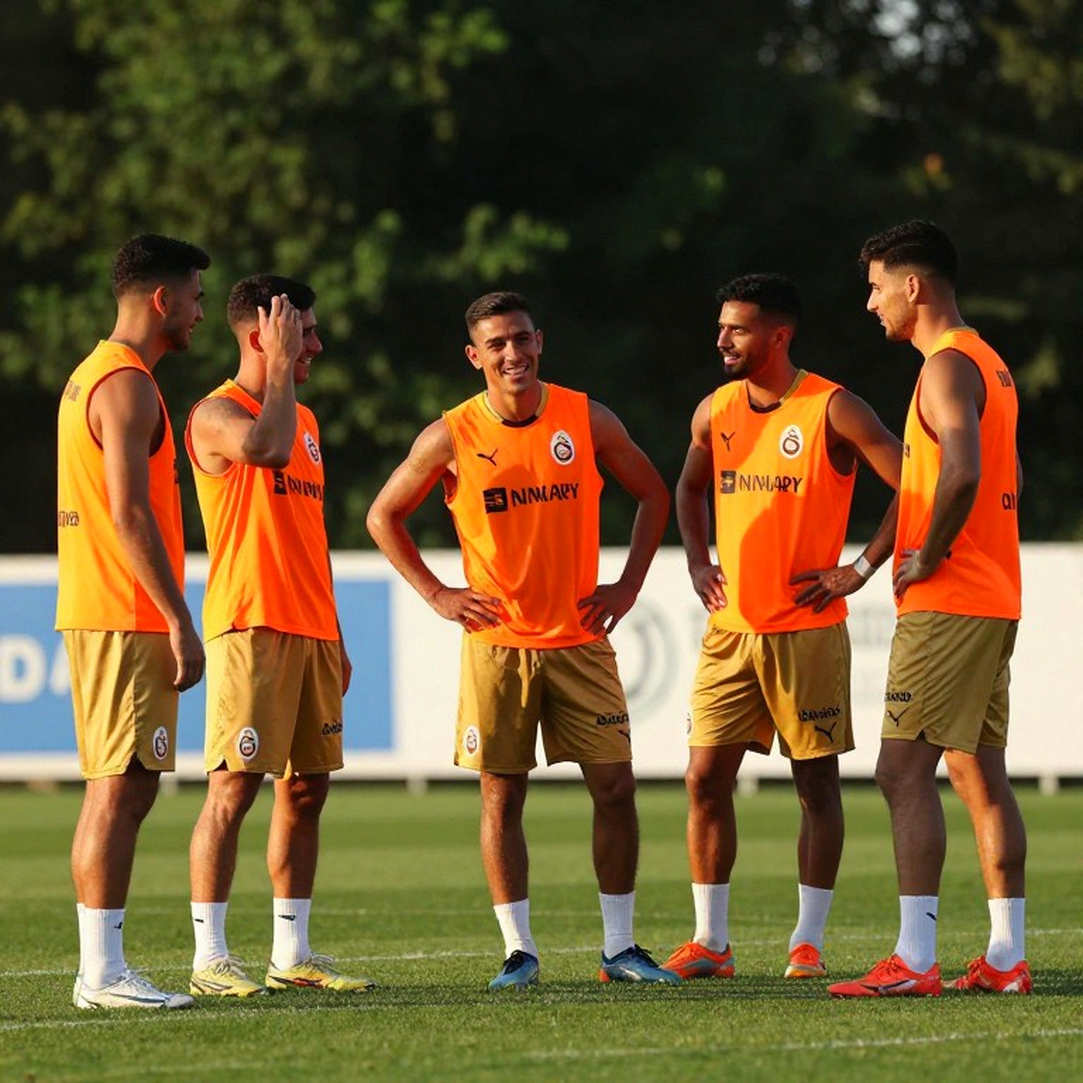
Signal three: how SLNA play when they are no longer the underdog. That is the real test of a low block. When the opponent hands you the ball, what do you do with it?
A season only truly begins when somebody dares to say what nobody dares to say. Two rounds in, the thing nobody dares to say at Hanoi FC is this: the club's problem does not begin with the Australian coach. It begins with a squad built to lead, and a system with no script for the opposite.
I wrote a line in my notebook in the 35th minute: "This game is over." The people around me looked at me as if I had said something meaningless, because the score was still 0-1 and Hanoi still had 55 minutes.
Those 55 minutes only confirmed what I had seen. Hanoi's system was dead before the second goal arrived. The four goals were administrative.
Round three will tell us whether they can rebuild it, or whether the press room at Hang Day will sit empty once more.